Taylor Long · 12 October 2026
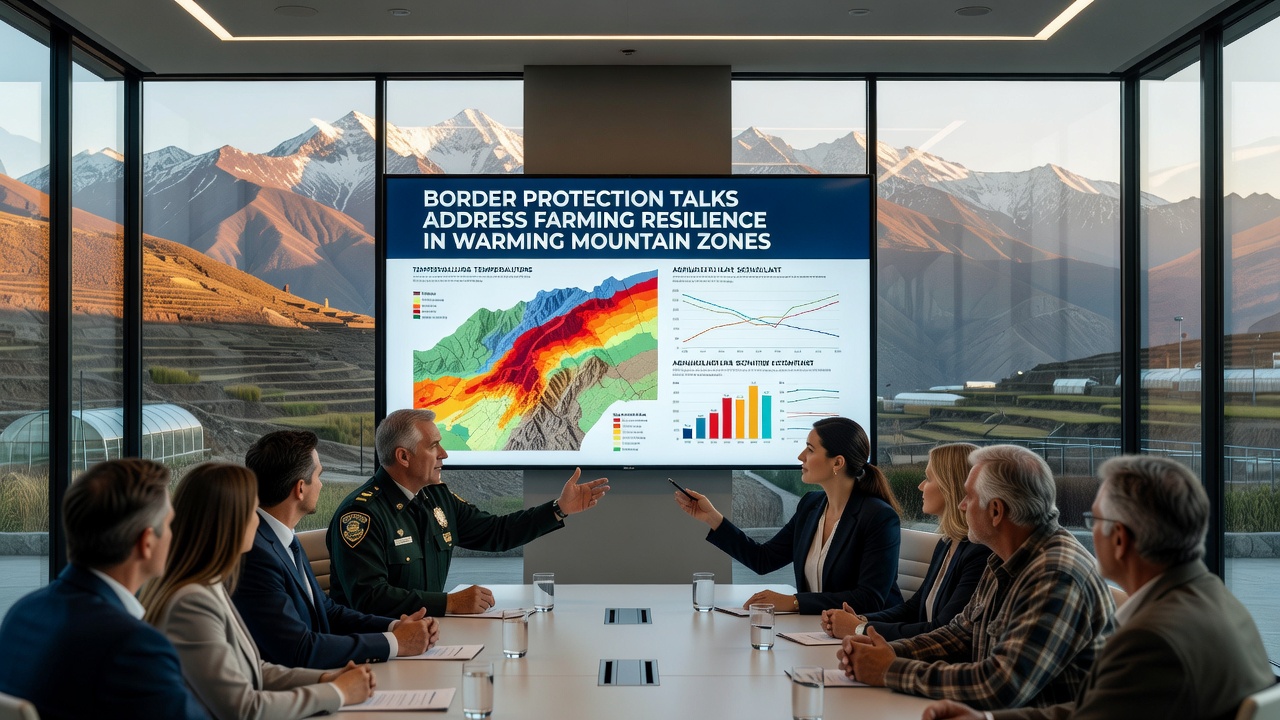
Border Protection Talks Address Farming Resilience in Warming Mountain Zones
Officials from several Alpine nations convened in October 2026 to examine how border management strategies intersect with agricultural needs in high-elevation zones experiencing rising temperatures, and representatives outlined coordinated approaches to protect both security infrastructure and farming operations that rely on seasonal snowmelt and pasture access. Data from regional monitoring programs shows temperature increases of 1.8 degrees Celsius since 1980 across the central Alps, which has shifted growing seasons earlier by three weeks on average and forced adjustments in livestock movement schedules along traditional cross-border routes.
Context of the Discussions
Representatives from Switzerland, France, Italy, and Austria participated in the sessions held near the Italian-Swiss border, while presentations highlighted how warming trends affect soil stability and water availability in zones above 1,500 meters. Records from the European Environment Agency indicate that precipitation patterns have become more variable, with winter snowpack declining 25 percent in monitored catchments over the past two decades, and these changes directly influence irrigation systems that support dairy and crop production near frontier areas.
Key Topics Covered
Participants reviewed existing bilateral agreements on land use and proposed updates to include climate adaptation clauses, and one proposal suggested joint mapping of resilient grazing corridors that span national boundaries to prevent overgrazing as vegetation zones migrate upslope. Studies compiled by the Alpine Convention research network reveal that certain grass species now thrive 200 meters higher than they did in the 1990s, creating new management challenges for farmers who must coordinate with customs protocols when moving herds.
Border security measures received attention because fencing and surveillance installations can fragment habitats and restrict seasonal livestock paths, and officials examined designs that incorporate wildlife passages and temporary openings during peak transhumance periods. Figures from national agricultural ministries show that cross-border herd movements have dropped 15 percent since 2015 due to regulatory hurdles and changing pasture conditions, prompting calls for streamlined permitting processes that maintain security standards.
Impacts on Mountain Farming Operations
Farmers in these regions report earlier spring thaws that expose slopes to erosion before protective vegetation regrows, and data collected by regional cooperatives indicates soil loss rates have risen in unprotected areas by up to 30 percent during heavy rain events. The talks addressed funding mechanisms for terracing and drainage improvements that could operate across borders, with examples drawn from pilot projects in the Dolomites where shared engineering standards reduced runoff by 40 percent on participating plots.
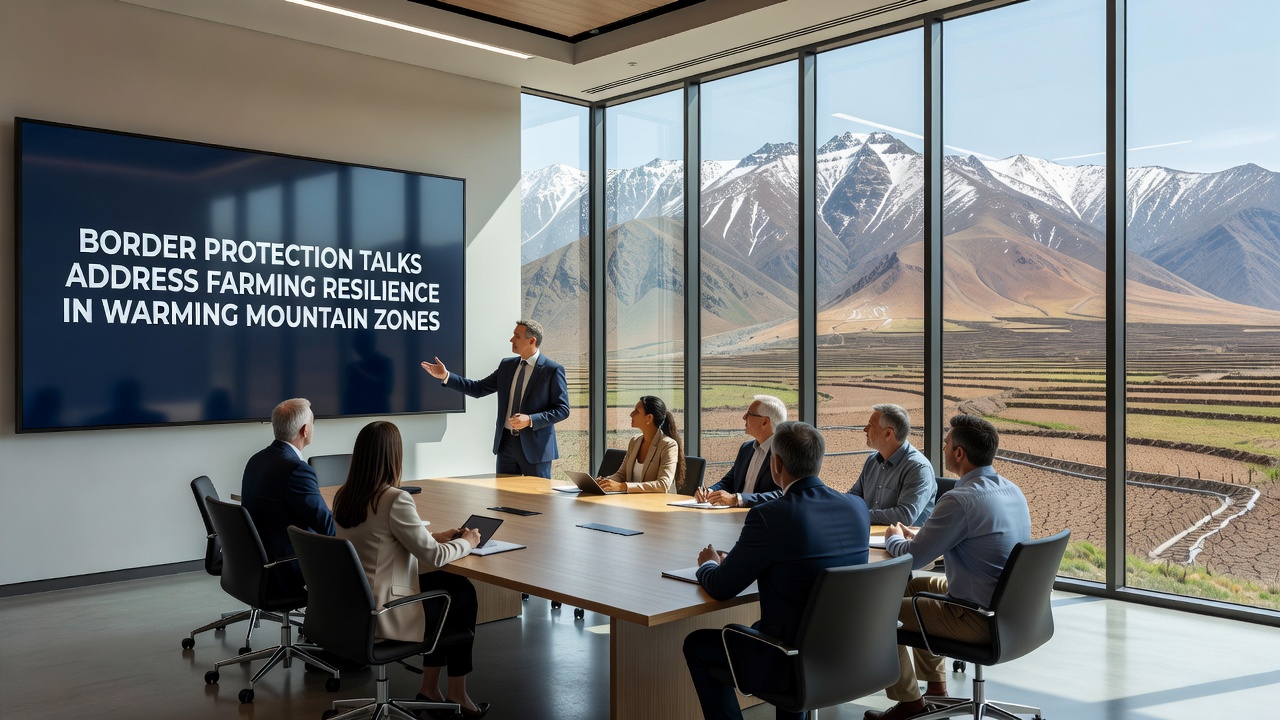
Water rights tied to border streams also featured prominently, because reduced glacier contributions have altered flow volumes in rivers that supply both irrigation and hydropower facilities straddling frontiers. A report issued by the International Commission for the Protection of the Alps notes that coordinated monitoring stations now track discharge rates in real time, allowing farmers on either side of a boundary to adjust planting calendars based on shared forecasts.
Proposed Measures and Agreements
Attendees agreed to establish a working group that will develop standardized resilience indicators for mountain farms, and these metrics will cover metrics such as pasture recovery time after drought and the effectiveness of buffer strips along security perimeters. Training programs for border personnel received support so that agents understand seasonal agricultural traffic patterns and can expedite inspections during harvest windows without compromising oversight requirements.
Technology integration appeared in several proposals, including drone surveys that map vegetation health across border zones and feed data into centralized platforms accessible to both agricultural advisors and security agencies. Research from the University of Innsbruck demonstrates that such combined monitoring has improved early detection of invasive plant species moving into higher elevations, thereby protecting native forage varieties used by local producers.
Conclusion
The October 2026 discussions produced a framework document that outlines next steps for aligning border protection protocols with farming resilience needs in warming mountain zones, and follow-up meetings scheduled for 2027 will review implementation progress through joint field assessments. Ongoing data collection from expanded sensor networks will continue to inform adjustments as temperature and precipitation trends evolve across these shared landscapes.