Gisela Albrecht · 14 September 2026
Village Elections Spark Dialect Revival Programs Reshaping Sustainable Farming in the French Alps
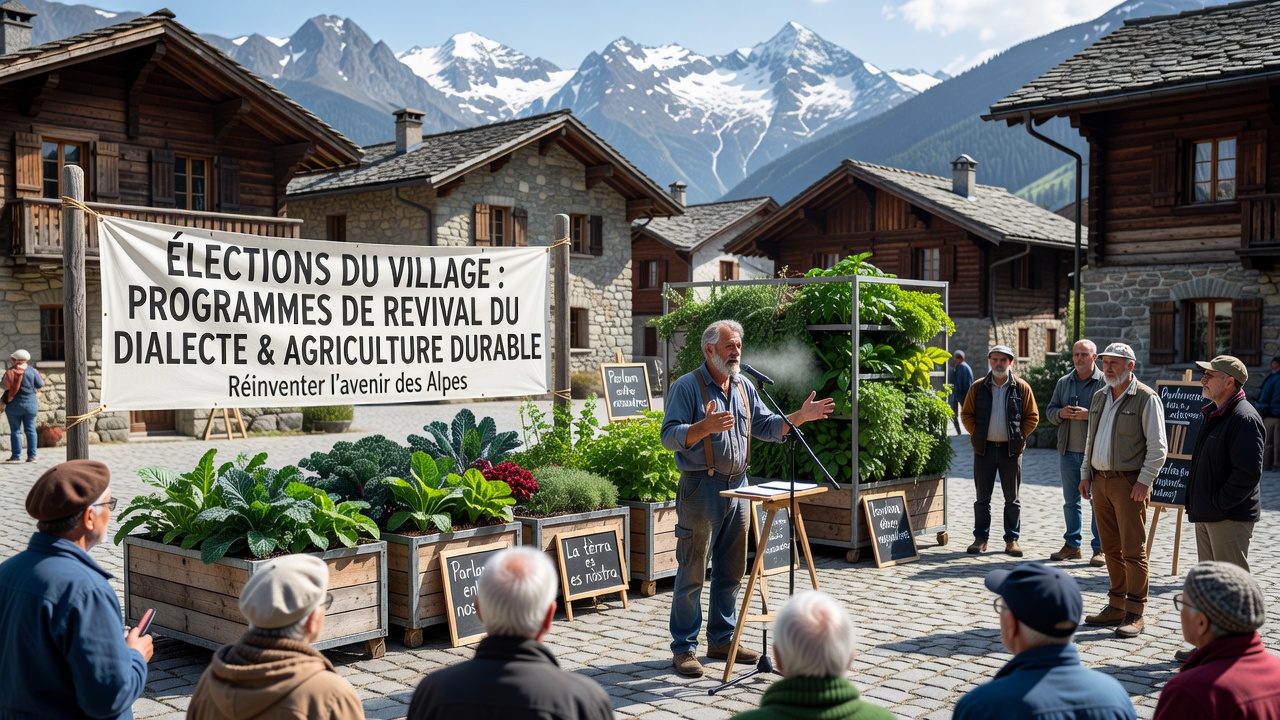
Village elections across the French Alps have triggered dialect revival programs that connect local linguistic heritage with sustainable farming practices, and these initiatives draw on regional languages such as Franco-Provençal and Occitan variants to document traditional agricultural knowledge. Communities in departments like Savoie and Isère have seen candidates campaign on cultural preservation platforms, after which elected councils allocated funds for language workshops that incorporate farming terminology into educational modules. Data from regional agricultural surveys shows increased adoption of heritage seed varieties in areas where dialect programs operate alongside standard French instruction.
Electoral Shifts and Program Development
Elections held in multiple alpine communes during 2025 produced councils that prioritized cultural and environmental projects, while subsequent planning meetings in September 2026 formalized partnerships between linguists and agricultural cooperatives. Researchers at institutions studying alpine ecosystems note that these programs compile glossaries of dialect terms for soil types, seasonal weather patterns, and pasture management techniques, and the resulting resources support farmers who integrate older methods with current sustainability standards set by European Union agricultural frameworks. One cooperative in the Tarentaise valley reported higher participation rates in terrace restoration projects after participants learned local names for specific plant communities during weekly sessions.
Integration of Dialect Knowledge into Farming Practices
Dialect revival efforts focus on oral histories that describe crop rotation sequences adapted to high-altitude conditions, and participants record these accounts to create reference materials for younger farmers entering the sector. Studies conducted by French research bodies indicate that such documentation correlates with reduced reliance on external inputs, because traditional terms often encode precise observations about microclimates and native pollinator interactions. In villages near the Italian border, programs pair language classes with field demonstrations of polyculture systems that maintain biodiversity in alpine meadows, and attendance records from these combined activities exceed those of standalone agricultural training events.
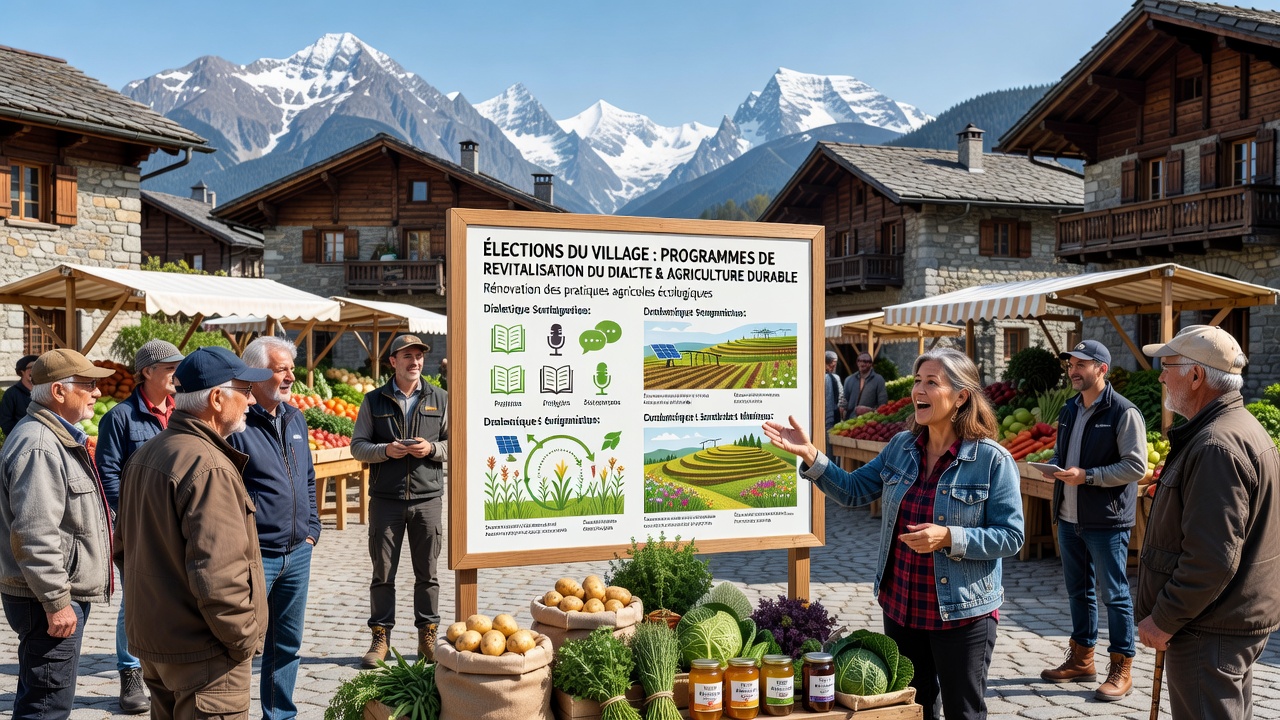
What's notable is the way these programs link linguistic preservation directly to measurable outcomes in soil health metrics tracked by local monitoring stations. Observers from academic teams at universities in the region report that farmers who engage with dialect materials show greater consistency in applying low-till methods suited to steep slopes, and cooperative reports list corresponding declines in erosion rates over two growing seasons. The approach builds on existing networks of seed savers who already exchange materials across communes, yet adds structured language components that standardize terminology for regional certification processes.
Regional Data and Broader Patterns
Agricultural census figures compiled by national institutes reveal that communes with active dialect programs maintain higher percentages of permanent grassland compared to neighboring areas without similar initiatives, and this pattern holds across elevations between 800 and 1800 meters. Partnerships with organizations focused on mountain agriculture provide technical support that translates dialect-derived insights into practical guidelines compatible with current subsidy requirements from the Common Agricultural Policy. In September 2026 several new cohorts began training cycles that emphasize both conversational fluency and applied vocabulary for equipment maintenance and livestock handling in variable weather conditions.
Case examples include a hamlet near Briançon where council-funded classes led to the revival of specific terms for companion planting arrangements involving rye and legumes, and these arrangements now feature in demonstration plots visited by extension agents from surrounding departments. Evidence collected through participant surveys shows improved retention of knowledge when lessons occur in dialect alongside visual field guides, and similar results appear in reports issued by research networks studying linguistic diversity in rural Europe.
Challenges and Ongoing Adjustments
Implementation faces logistical hurdles related to instructor availability and generational gaps in fluent speakers, yet councils address these through mentorship pairings that connect elders with younger residents interested in farming careers. Budget allocations from regional development funds cover materials production and digital archiving of recordings, which extend access beyond physical meeting spaces. Data tracking from pilot sites continues to inform adjustments, such as expanding focus to include dialect terms for water management infrastructure that supports irrigation efficiency during drier summers.
Conclusion
Village election outcomes have established a framework where dialect revival programs supply practical tools for sustainable farming in the French Alps, and ongoing documentation efforts continue to link linguistic resources wth agricultural metrics. Regional patterns demonstrate measurable connections between these cultural initiatives and land management practices that align with broader environmental objectives. Continued monitoring by research teams will track long-term effects on both language vitality and farm system resilience across participating communes.